Buenos Aires is a city built on coffee. For over a century, the *cafetín*—the traditional neighborhood café—has served as the living room, the theater, and the political salon of the Argentine capital. It was here, amidst the thick haze of tobacco and the clinking of porcelain, that tango legends like Carlos Gardel sang, and literary giants like Jorge Luis Borges penned their timeless masterpieces. The coffee was strong, usually torrado (roasted with sugar to mask defects), and served as a vehicle for conversation rather than a culinary focus. But today, a quiet revolution is taking place on the historic cobbled streets. Buenos Aires is experiencing a specialty coffee boom, and in doing so, it is completely refining the rituals that have configured its identity since the early 1900s.
The Traditional Cafetín: A Historic Sanctuary
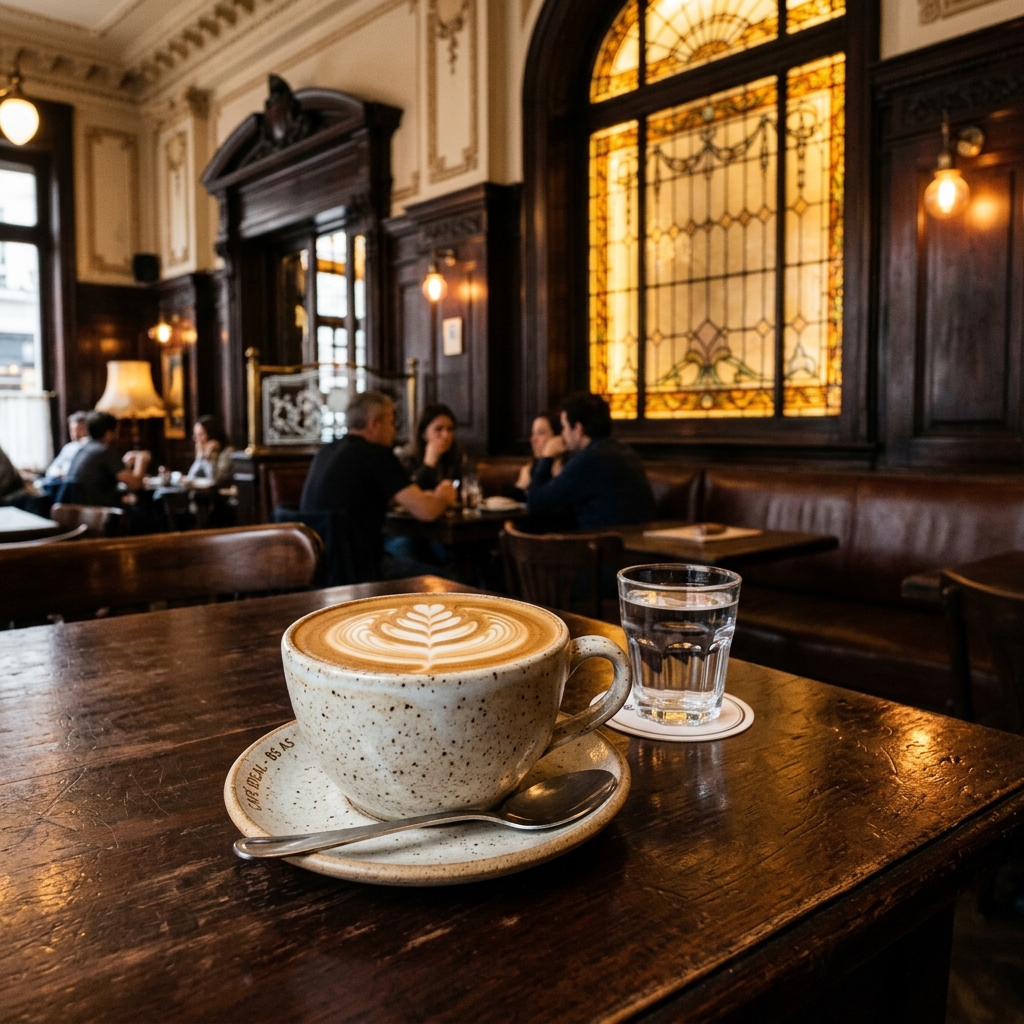
To understand the modern coffee boom, one must first respect the past. The *cafés notables*—historic institutions protected by the city government, such as Café Tortoni, Confitería Las Violetas, or Café de García—are more than just dining spots; they are historical shrines. The classic ritual here is simple: you order a *café en jarrito* (espresso in a small glass mug) or a *cortado* (espresso cut with warm milk), always served alongside two *medialunas* (sweet, glazed crescents) and a small glass of sparkling water.
In these shrines, coffee has never been just a drink. It is a social contract. You sit for hours, talking about politics, football, or tango, and no waiter will ever rush you to leave. The coffee itself was traditionally dark, bitter, and highly roasted, requiring sugar to be palatable—yet the social ritual was, and remains, absolutely sacred.
The Second Wave: From Bitter Torrado to Sensory Precision
Over the last decade, a new generation of porteños (Buenos Aires locals) began asking a simple question: *What if the coffee itself could be as exceptional as the conversation?*
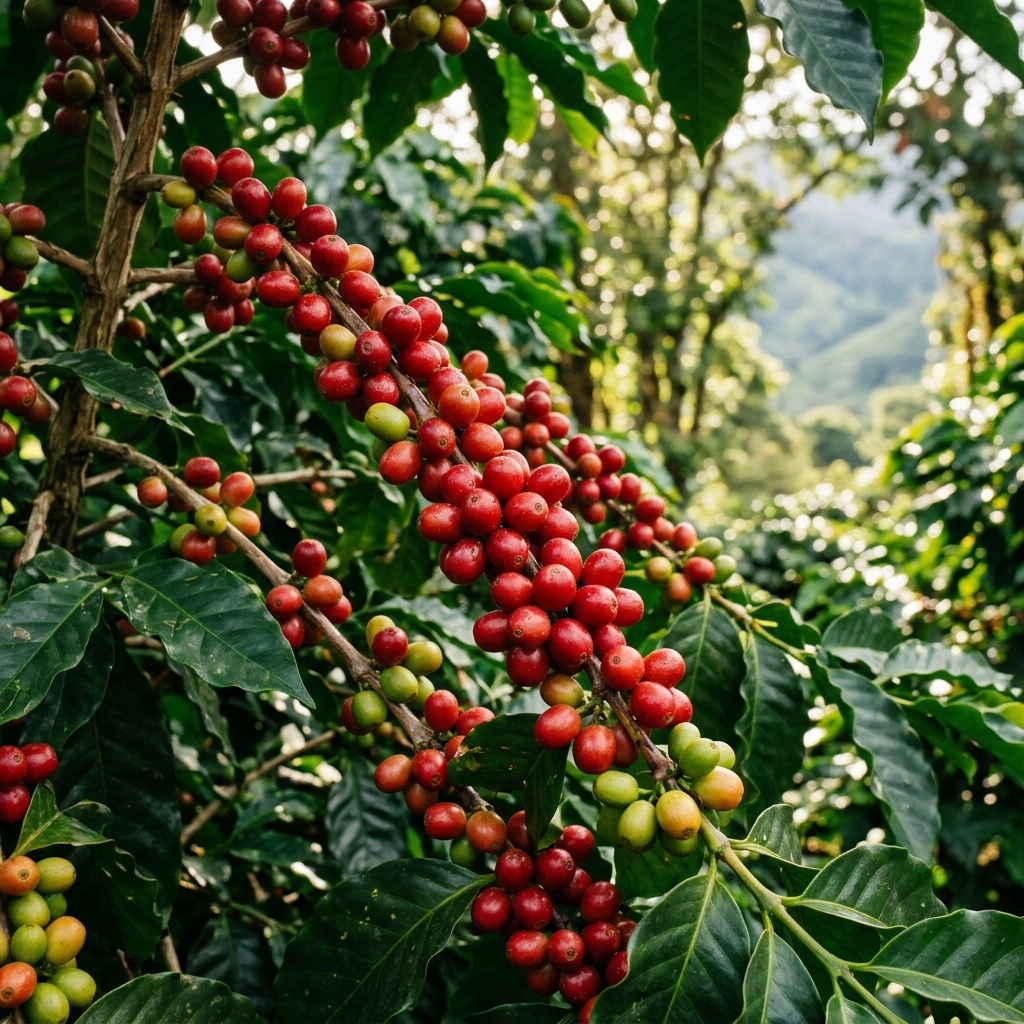
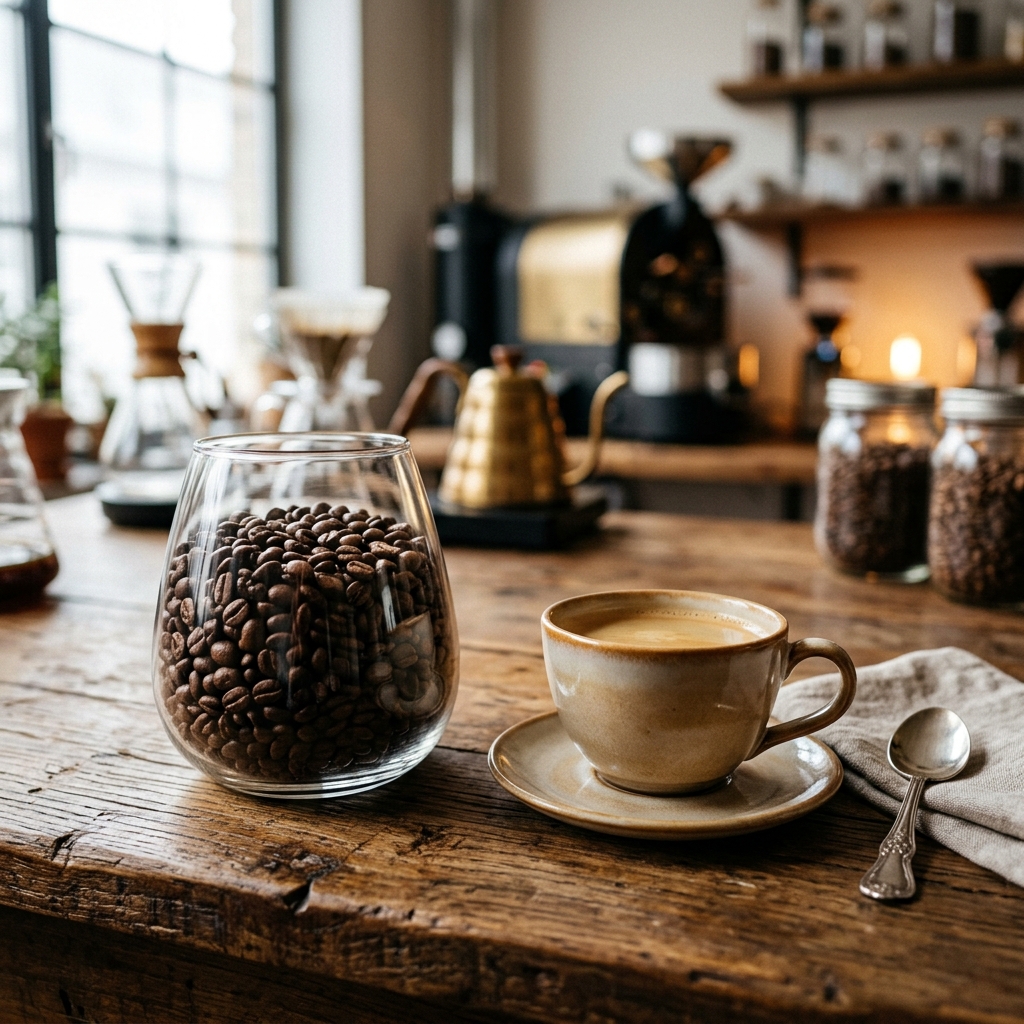
Specialty coffee shops began popping up first in the bohemian alleyways of Palermo Soho, then spreading rapidly into San Telmo, Recoleta, Villa Crespo, and Caballito. Baristas replaced traditional machines with high-end Italian espresso groups, digital scales, and gooseneck kettles. Instead of cheap, sugar-coated *torrado* beans imported from mass-market industrial suppliers, these new bars source high-altitude, single-origin Arabica beans directly from sustainable farms in Brazil, Colombia, Peru, and Bolivia, roasted locally in small, artisanal batches.
The result is a sensory revelation. porteños are discovering that black coffee does not need sugar to be sweet, and that a cup of coffee can taste like citrus, red berries, chocolate, or jasmine, depending on its processing and origin.
Refining the Ritual
What makes the Buenos Aires specialty coffee scene truly unique is that it has not rejected the city's historic coffeehouse culture; it has elevated it. porteños have not traded their hours-long conversations for quick, paper-cup takeaways. Instead, they sit in sleek, concrete-and-wood specialty bars, ordering a V60 pour-over made with single-origin beans, paired not with mass-produced pastries but with sourdough croissants, pistachio cookies, or artisanal *alfajores*.
The modern barista has become the new *cafetín* bartender—a knowledgeable guide who can explain the processing method, elevation, and tasting notes of the brew, turning a daily habit into an active sensory ritual.
Documenting Your Porteo Brews
Whether you are sipping a classic cortado in a historic leather booth in San Telmo or tracking a double espresso extraction of a washed Peruvian bean in a modern bar in Palermo, you are participating in the evolution of one of the world's greatest urban coffee cultures.
Log your Buenos Aires café discoveries, note down bean details, and chart your sensory impressions in the **Vidita Cafe Sensory Journal**. By connecting your experiences to the city's unfolding history, you become part of the very fabric of Buenos Aires' coffee golden age.