Few products in the food and beverage world carry as much exotic mystique, viral curiosity, and sheer controversy as Kopi Luwak (frequently searched as Kopi Lewak). Marketed as the ultimate luxury beverage, a single cup of this "civet coffee" can fetch anywhere from $30 to $100 in high-end hotels, with raw beans selling for up to $600 per kilogram. Yet, behind the luxurious price tag lies a complex history, a fascinating scientific process, a severe ethical crisis, and a surprising reality check from the specialty coffee community.
The Colonial Roots of a Peculiar Loophole
To understand how civet-digested coffee became a luxury, we have to travel back to the 18th century in the Dutch East Indies (modern-day Indonesia). Under Dutch colonial rule, plantation owners established the Cultuurstelsel (Cultivation System) and strictly prohibited native farmers and pickers from harvesting coffee beans for their own consumption.
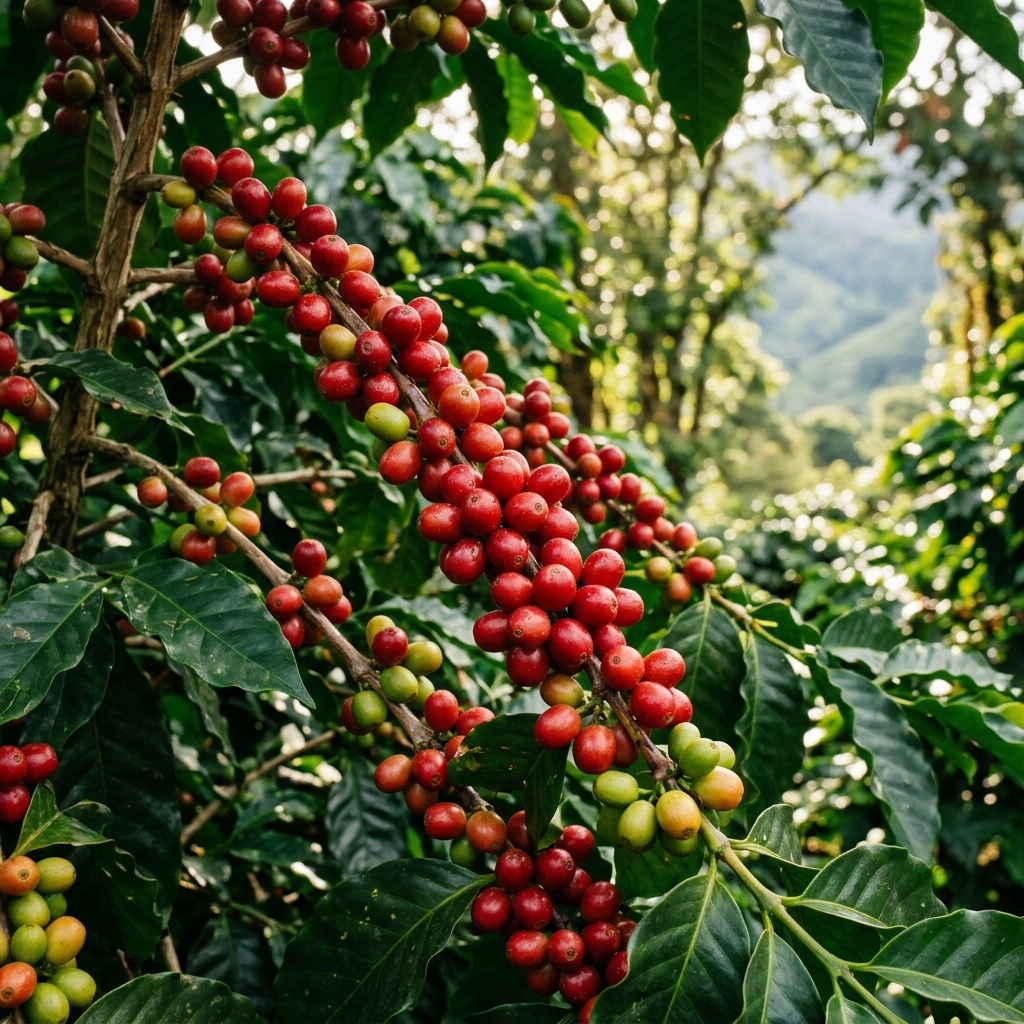
Deprived of the fruit of their labor, resourceful Indonesian farmers noticed that wild Asian palm civets (known locally as Luwaks) loved to eat the ripest, sweetest coffee cherries from the plantations. Crucially, the civets could not digest the hard seeds inside, passing them whole in their droppings. The farmers began collecting these droppings, thoroughly washing and scrubbing the beans, roasting them, and brewing their own coffee. This loophole, born out of colonial oppression, produced an incredibly smooth brew. Soon, the Dutch plantation owners discovered the drink, found it exquisite, and turned it into an elite luxury item.
The Science Inside the Civet
Why does digestion change the flavor of coffee? There are two biological mechanisms at play:
- Natural Selection: Wild civets are expert foragers. They possess a keen sensory ability to select only the absolute ripest, sweetest, and most defect-free coffee cherries.
- Enzymatic Fermentation: As the cherries travel through the civet's digestive tract, proteolytic enzymes (like trypsin) seep into the beans. These enzymes break down the large proteins within the seed. Because proteins are the primary chemical precursors to bitterness during the roasting process, this natural enzymatic digestion significantly reduces the coffee's bitterness, yielding an exceptionally smooth, low-acid cup.
The Modern Ethical Crisis: The Rise of Civet Farms
Historically, Kopi Luwak was extremely rare because collecting wild civet droppings in dense tropical forests is incredibly time-consuming. This scarcity justified its high price. However, as the coffee gained global notoriety in the late 1990s and early 2000s, demand skyrocketed. This spike in demand sparked a tragic industrialization of the process.
Today, to supply tourist markets and luxury retailers, wild civets are captured in large numbers by poachers and kept in tiny, unhygienic wire cages on intensive farms. Rather than foraging freely, these solitary, nocturnal animals are subjected to the extreme stress of confinement and forced to eat an exclusive, unnatural diet of nothing but coffee cherries. This leads to severe nutritional deficiencies, physical illness, pacing, self-mutilation, and high mortality rates. Although many brands claim their coffee is "wild-sourced," investigations have shown that genuine wild collection is virtually non-existent at a commercial scale, and false labeling is rampant.
The Specialty Coffee Perspective: How Does It Score?
Setting aside the ethical concerns, does Kopi Luwak actually taste superior to a standard cup of coffee? The consensus among professional Q-graders and specialty coffee roasters is a resounding no.
In blind cuppings, Kopi Luwak consistently scores low, usually falling well below the 80-point threshold required to be classified as "specialty coffee." The reasons are scientific:
- Loss of Complexity: While the civet's digestive enzymes strip away bitterness, they also destroy the delicate, bright organic acids that give high-end coffees their character.
- Flat Flavor Profile: The resulting brew is heavy, musty, and earthy, but completely lacks the vibrant acidity, floral aromatics, and juicy fruit notes that specialty coffee enthusiasts crave.
- Sanitation and Quality Control: Farmed civet setups often use cheap Robusta beans rather than high-altitude Arabica to maximize profits, resulting in a cup that is woody, harsh, and flat.
For a fraction of the cost—around $15 to $25 for a bag of ethically sourced, single-origin washed Ethiopian or Colombian coffee—you can enjoy a cup that is vastly superior in sensory quality, complexity, and cleanliness.
A Conscious Path Forward
At Vidita Cafe, we believe that the ultimate coffee journey is paved with transparency, ethical stewardship, and genuine sensory excellence. Kopi Luwak is a fascinating piece of coffee history, but its modern realization serves as a cautionary tale of what happens when novelty overrides animal welfare and culinary quality.
If you are looking to explore smooth, complex, and low-bitterness coffees, we encourage you to seek out light or medium-roasted washed coffees from high-altitude regions, or natural anaerobic fermentations that deliver incredible sweetness without the ethical cost. Document your tasting notes, explore clean fermentation processes, and build your sensory library in the Vidita Cafe Sensory Journal—supporting farmers who care for their land, their crops, and the living ecosystem around them.