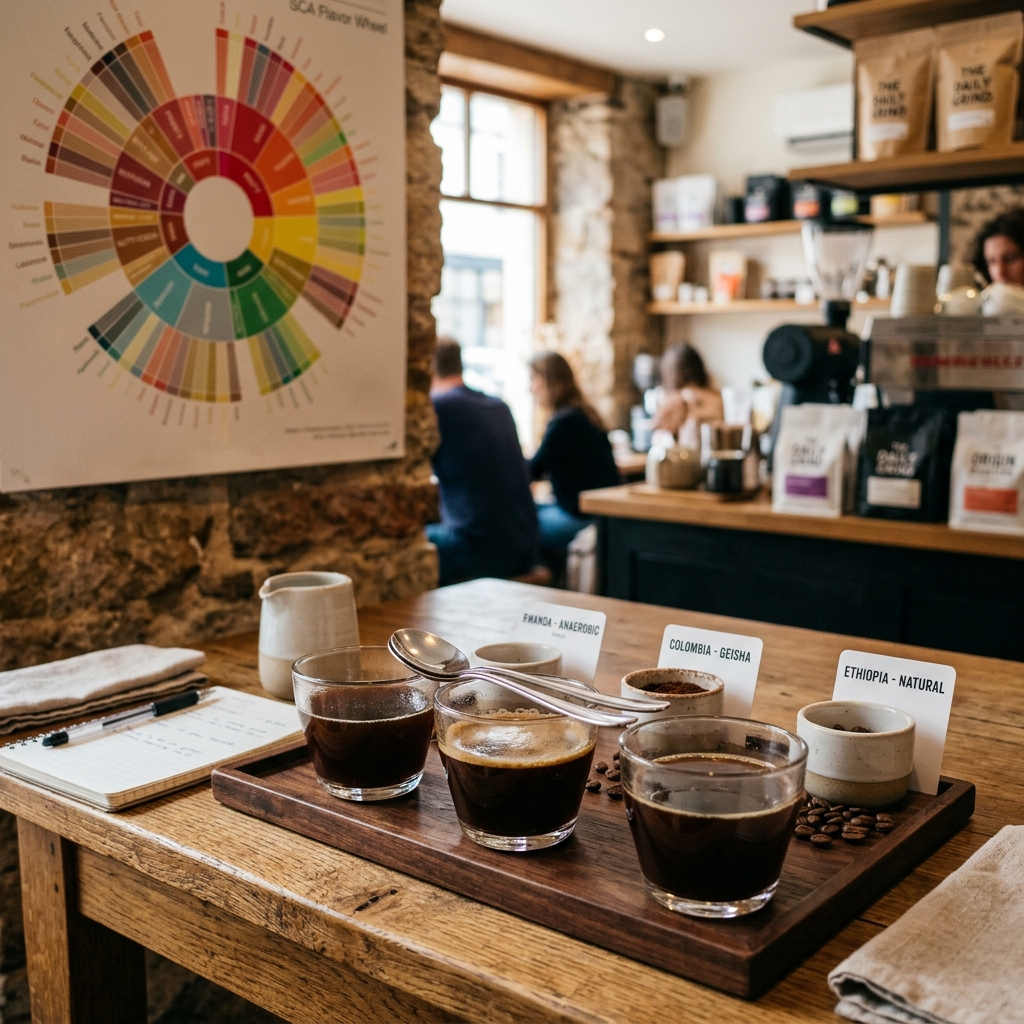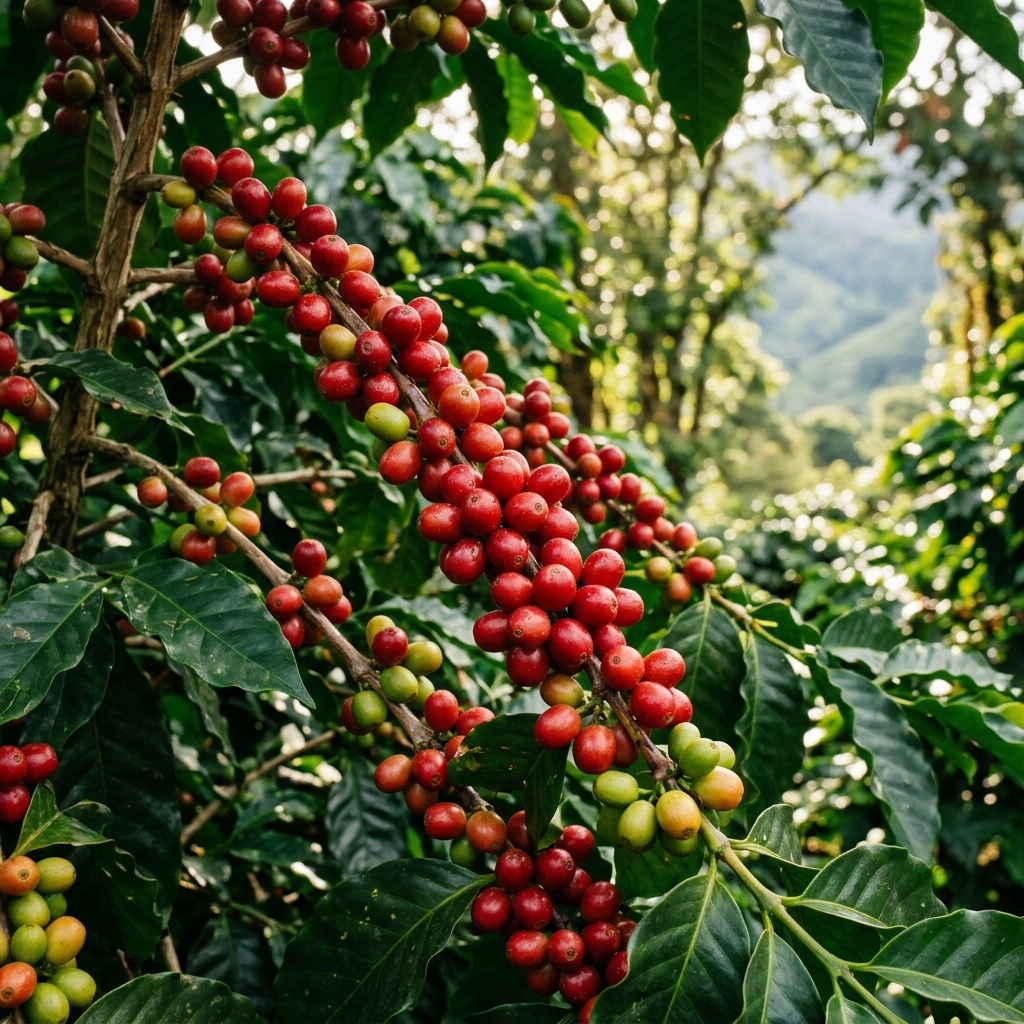
When we hold a warm mug in our hands, we rarely think about the global journey that brought those dark liquids into our cup. Long before it was roasted, ground, and extracted, coffee was a small seed growing on a lush shrub on a steep tropical mountainside. The complex, vibrant flavors we enjoy are not added by the barista; they are cultivated by farmers, soil, climate, and processing methods at origin.
To truly appreciate specialty coffee, let's explore how geographic origin, altitude, and post-harvest processing methods write the taste DNA of your morning coffee.
1. The Power of Terroir and Altitude
Just like wine, coffee is deeply shaped by its *terroir*—the unique combination of soil chemistry, rainfall, sunlight, and altitude. Specialty Arabica coffee thrives in the "Coffee Belt," a tropical band encircling the globe between the Tropics of Cancer and Capricorn.
Within this band, altitude is the ultimate driver of quality. High-elevation plantations (ranging from 1,200 to 2,200 meters above sea level) experience warm days and crisp, cool nights. This dramatic temperature drop slows down the maturation cycle of the coffee cherry. The plant is forced to spend more time transferring nutrients and sugars to the developing seed, resulting in incredibly dense beans rich in organic acids, complex sugars, and vibrant aromatic compounds.
Low-altitude coffees mature rapidly, producing softer, less dense seeds that typically taste nuttier, flatter, and less complex.
2. Post-Harvest Processing: The Flavor Architect
A coffee cherry is a small fruit, similar to a cherry or grape. Inside the sticky sweet fruit pulp lies the coffee seed (what we call the bean). Once harvested, the fruit must be removed, and the seeds dried down to roughly 10-12% moisture. The method used to achieve this is called "processing," and it dramatically alters the final taste profile:
Washed (Wet) Process: The Purist
In the washed process, the skin and sweet pulp are stripped off the seed mechanically. The sticky seeds are then soaked in water tanks where fermentation breaks down the remaining sugars. Finally, the clean seeds are washed and laid out to dry. Washed coffees are highly prized for their clarity of flavor, clean body, and sparkling acidity. It showcases the pure character of the bean's origin and terroir without fruit interference.
Natural (Dry) Process: The Fruit Bomb
Natural processing is the oldest, most traditional method. Whole, intact coffee cherries are spread out under the sun on large concrete patios or raised bamboo beds. The seeds dry slowly inside the fruit shell over several weeks. During this time, the seed absorbs the natural sugars and volatile esters of the surrounding fruit pulp. Natural-processed coffees are massive "fruit bombs," famous for heavy, syrupy bodies, complex sweetness, and wild notes of strawberry, blueberry, tropical fruits, and wine.
Honey (Pulped Natural) Process: The Sweet Middle
Originating in Costa Rica, the honey process is a hybrid. The outer skin is removed, but some of the sticky, sweet fruit pulp (called mucilage) is left on the seed as it dries. Depending on how much mucilage is left, it is labeled Yellow, Red, or Black Honey. Honey coffees are wonderfully balanced, combining the crisp, clean finish of a washed coffee with the heavy sweetness and complex fruit sugars of a natural.
The Dynamic Origins of Specialty Coffee
As you explore different coffees, you will notice distinct regional profiles:
- East Africa (Ethiopia, Kenya): Famous for washed coffees that taste like delicate black tea, jasmine, citrus, and sparkling blackcurrant, or naturals bursting with fresh blueberry notes.
- Central & South America (Colombia, Costa Rica, Guatemala): Highly celebrated for balanced, sweet washed coffees with bright apple acidity, caramel sweetness, and smooth chocolate undertones.
- Asia-Pacific (Sumatra): Noted for traditional semi-washed processing (Giling Basah) that yields low acidity, full heavy bodies, and complex earthy, cedar, and spicy herbal flavor profiles.
Your Coffee Map
Appreciating specialty coffee is an ongoing journey of cultural and geographic exploration. By identifying the origins, altitudes, and processing methods of the coffees you enjoy, you begin to understand your own palate and support sustainable agricultural practices worldwide.
Log your coffee purchases, track growing origins, and document processing methods inside the Vidita Cafe Sensory Journal. Mapping out these variables helps you discover trends in what you love, turning every cup into a celebrated ritual.